


Introduction
When someone’s heart suddenly stops beating, every second becomes critical. An automated external defibrillator, or AED, can restart the heart and save a life. Many people see these devices in public spaces but feel unsure about using them. The truth is, AEDs are simple, safe, and designed for anyone to operate, even without medical training. Understanding how to use an AED correctly can make you a confident and effective bystander rescuer.
What an AED Does
An AED detects abnormal heart rhythms and delivers an electric shock to restore a normal beat. It works alongside CPR to keep blood and oxygen flowing through the body. AEDs are found in airports, schools, offices, and shopping centers, ready for emergencies.
Key functions include:
- Checking the heart’s rhythm automatically
- Deciding whether a shock is needed
- Giving clear audio and visual instructions
- Ensuring safety before and after the shock
You do not have to diagnose or interpret anything. The AED does that for you.
Recognizing When to Use an AED
Use an AED whenever someone:
- Suddenly collapses and is unresponsive
- Is not breathing or only gasping
- Has no pulse or signs of circulation
Before using the AED, make sure someone has called emergency services and that CPR has started. Early defibrillation combined with chest compressions greatly improves survival chances.
Step 1: Turn on the AED
Every second matters, so start by switching on the AED as soon as it arrives. Most devices power on automatically when the lid is opened. Others have a button. Once it turns on, the AED will guide you with voice prompts and display lights. Listen carefully and follow each instruction step by step.
Step 2: Expose and Prepare the Chest
- Lay the person flat on their back on a firm surface.
- Remove any clothing covering the chest.
- Dry the skin if it is wet or sweaty.
- Shave or clear excessive chest hair only if it prevents the pads from sticking.
Good contact between the pads and skin is essential for accurate rhythm analysis.
Step 3: Attach the AED Pads
AED pads come with clear diagrams showing exactly where to place them.
- Place one pad on the upper right side of the chest, above the nipple.
- Place the other pad on the lower left side of the chest, below the armpit.
Make sure both pads stick firmly to the skin. Avoid touching the pads once they are in place.
Step 4: Let the AED Analyze the Heart Rhythm
Once the pads are attached, the AED will automatically check the heart’s rhythm.
- Do not touch the person during this step.
- Stand clear and make sure others stay back.
- Wait for the AED to announce the results.
If a shock is advised, the device will either deliver it automatically or instruct you to press the shock button.
Step 5: Deliver the Shock Safely
When the AED instructs a shock, follow these steps:
- Make sure no one is touching the person.
- Loudly say, “Clear!” before pressing the shock button.
- Press the button if required.
The shock takes only a second. After it is delivered, the AED will tell you to resume CPR. Begin chest compressions immediately for two minutes before the AED reanalyzes the rhythm.
Step 6: Continue Until Help Arrives
Keep performing CPR and following the AED’s voice prompts. The device will guide you through the process until emergency responders arrive or the person starts breathing normally.
Do not remove the pads or turn off the AED unless instructed by professionals. Even if the person regains consciousness, medical evaluation is essential.
Common AED Mistakes to Avoid
To use an AED effectively, avoid these common errors:
- Delaying its use while waiting for professionals
- Touching the person during analysis or shock
- Misplacing the pads
- Ignoring the AED’s prompts
- Forgetting to resume CPR after the shock
AEDs are designed for simplicity, but quick and careful use is vital for success.
Why AEDs Are Safe for Everyone
AEDs are built with multiple safety features. They only deliver a shock if the device detects a shockable rhythm. If the heart is beating normally, the AED will never discharge electricity. Modern devices also guide the user with clear lights, sounds, and messages.
Even untrained users have successfully saved lives by following the AED’s instructions. You cannot harm someone by using an AED properly.
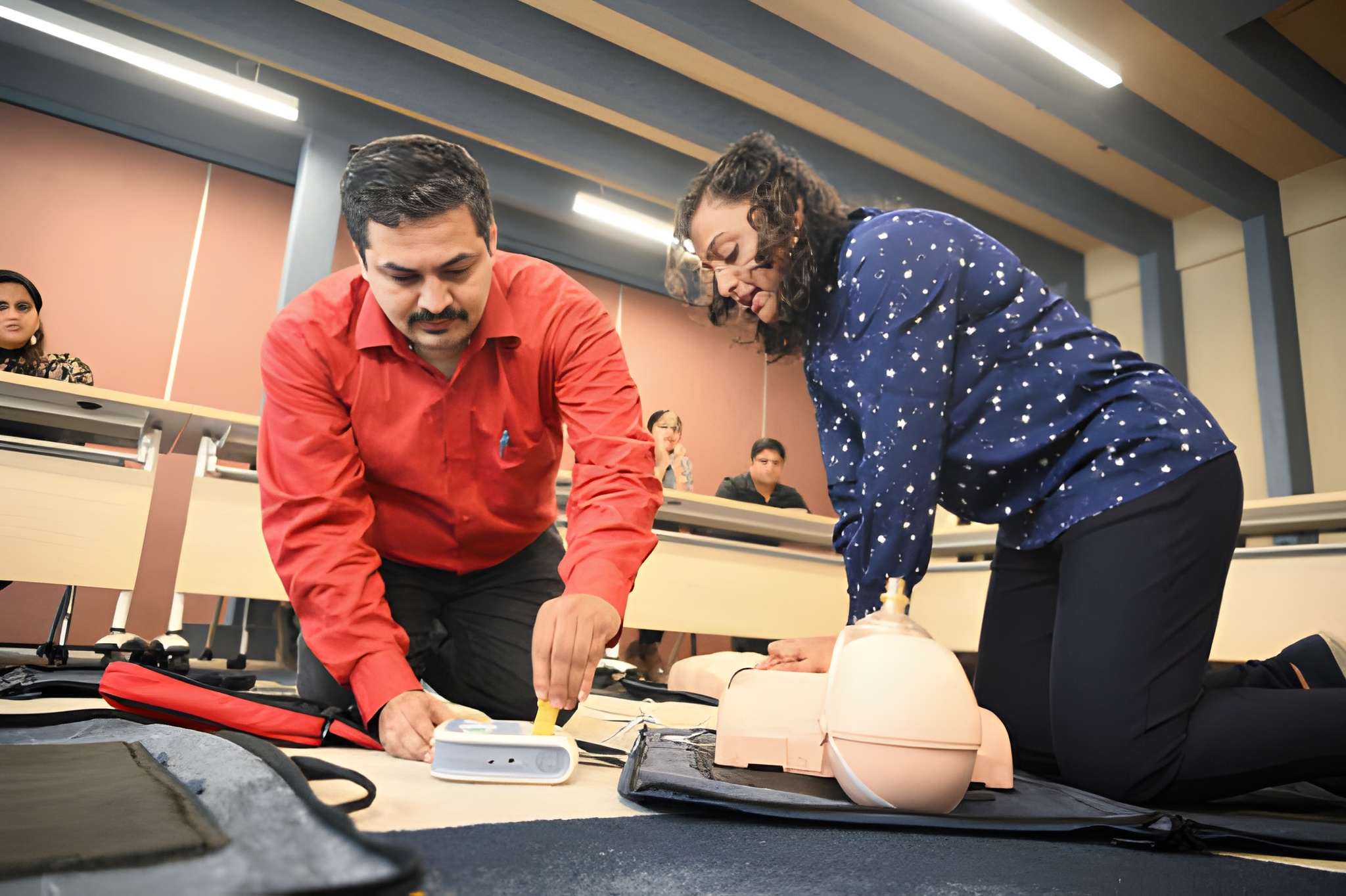
Learning to Use an AED with CPR Training
Although AEDs are easy to use, hands-on CPR and AED training increase confidence and speed during emergencies. You learn to:
- Recognize cardiac arrest early
- Apply the AED quickly and correctly
- Combine CPR and AED use for better results
- Stay calm under pressure
For reliable, professional instruction, visit MyCPR NOW to explore training courses that prepare you for real-life situations.
The Importance of Early Defibrillation
Cardiac arrest causes the heart to stop pumping blood effectively. Every minute without CPR and defibrillation reduces the chance of survival by up to 10 percent. Early use of an AED, combined with effective chest compressions, can restore normal rhythm and prevent brain damage.
Having AEDs in public areas and workplaces ensures that lifesaving action can start immediately.
Empowering Communities Through Awareness
The more people who know how to use AEDs, the safer communities become. Encourage your family, friends, and coworkers to learn basic life support skills. Knowing how to react during a cardiac emergency turns fear into action and saves lives.
Conclusion
An AED is a powerful, easy-to-use device that helps restore a normal heartbeat during cardiac arrest. By turning it on, attaching the pads, following prompts, and delivering a safe shock, anyone can take control in a crisis. Always combine AED use with CPR for the best chance of recovery. Equip yourself with knowledge through MyCPR NOW and be ready to act when it matters most. Your confidence and quick action could mean the difference between life and death.
