


Outdoor movie nights combine fresh air, cozy seating, and the fun of watching favorite films under the stars. A backyard, patio, or campsite can quickly turn into a memorable mini theater with the right setup. While screens and snacks often get most of the attention, a reliable power plan is what keeps everything running smoothly. Projectors, speakers, and lights all need electricity, and outdoor spaces do not always have convenient outlets. Careful planning helps avoid sudden shutdowns or tangled cords in the dark. In this article, practical guidance explains how to power an outdoor movie night safely, efficiently, and with minimal stress.
1. Calculate Your Power Needs
List devices: projector, speakers, lights, etc.
Every outdoor movie setup is a little different, so it helps to start with a clear list of equipment. Most setups include a projector, a streaming device or laptop, external speakers, and some form of lighting. Some people also add a fan, phone chargers, or decorative string lights for atmosphere. Writing down each device prevents small but important items from being forgotten. This list becomes the foundation for estimating total energy use. Clear planning at this stage reduces the risk of overloading a power source later.
Add up their wattage and runtime
Once devices are listed, checking their power ratings provides a realistic picture of energy needs. Labels on adapters or device manuals usually show wattage or voltage and amperage. Multiplying wattage by the number of hours the movie and pre-show time will run gives an estimate of total energy consumption. Projectors often use more power than expected, especially at higher brightness settings. Speakers and streaming devices add smaller but still important loads. Knowing these numbers helps match the setup to an appropriate power source.
2. Choose a Power Source
Use a portable power station for cordless convenience
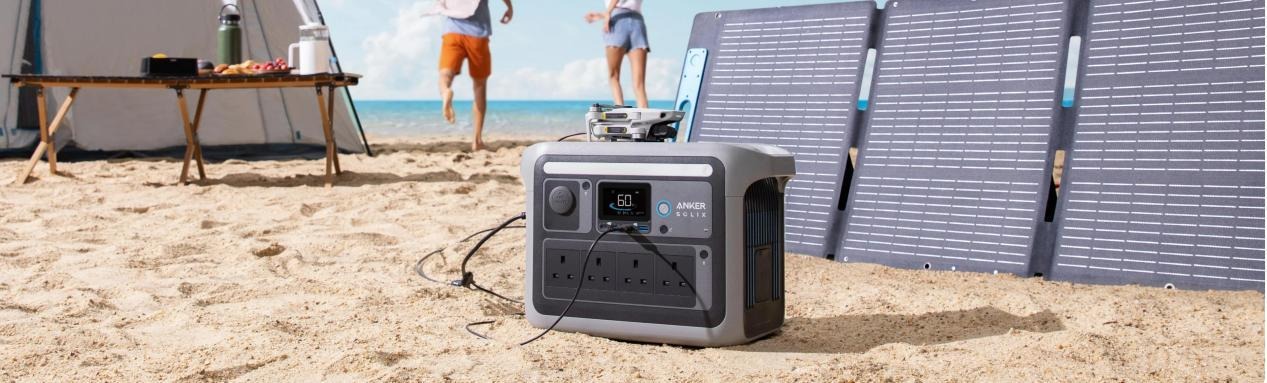
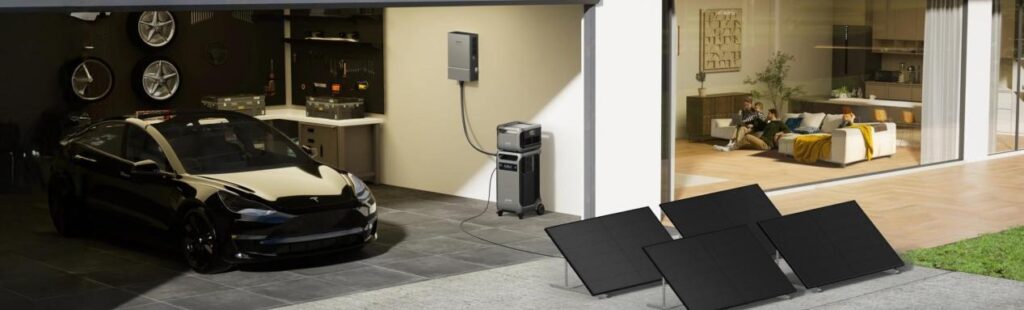
Portable power stations make outdoor movie setups more flexible by removing the need for long extension cords. They can be placed close to the projector or seating area, reducing cable clutter across walkways. Many models provide AC outlets and USB ports, which suit a mix of audio and video equipment. Some solar panel generator systems, including Anker SOLIX units, pair high-efficiency panels with portable storage so energy can be topped up during the day before the event or reused later for other household needs. Their durable, easy-to-carry designs and flexible output options fit naturally into backyard gatherings, camping trips, or emergency backup use. Cordless convenience allows the viewing area to be arranged for comfort rather than outlet location.
Run an outdoor-rated extension cord from an outlet
If a nearby outdoor outlet is available, an extension cord can be a simple solution. It is important to use a cord rated for outdoor use, with proper insulation and weather resistance. Running the cord along fences or edges of patios helps keep walking areas clear. A power strip with surge protection can then distribute electricity to multiple devices near the screen. This approach works well for shorter distances and predictable weather conditions. Careful cable placement helps maintain both safety and a tidy appearance.
3. Set Up Safely and Efficiently
Keep cords tidy and protected from tripping or weather
Loose cables can quickly become tripping hazards, especially in low light. Securing cords with clips, tape, or outdoor cable covers helps keep pathways safe. Elevating connections slightly off the ground can also protect them from damp grass or light moisture. Avoid placing connectors where people might step or where water could collect. Organized cables not only improve safety but also make teardown easier afterward. A tidy setup contributes to a relaxed and enjoyable atmosphere.
Place power source in a dry, shaded spot
Electronic equipment performs best when kept dry and out of direct heat. Placing a power station or power strip under a table, canopy, or shaded area helps protect it from dew and temperature buildup. Good airflow around the unit prevents overheating during extended use. Avoid sealing power equipment inside tight containers that trap heat. Checking that ventilation areas are not blocked ensures stable performance. A well-positioned power source supports both safety and reliability throughout the movie.
4. Extend Battery Life
Lower projector brightness and speaker volume if possible
Projectors often use less power at reduced brightness settings, especially after sunset when full intensity is unnecessary. Adjusting the image to match ambient darkness can noticeably extend runtime. Similarly, moderate speaker volume saves energy while still providing clear sound for the audience. Small adjustments like these can add extra minutes or even hours of operation. These changes usually have little impact on viewing enjoyment. Efficient settings help stretch limited battery capacity.
Use LED string lights instead of power-hungry bulbs
Lighting adds charm and helps guests move around safely, but it does not need to consume much electricity. LED string lights use far less power than traditional incandescent bulbs. They also produce less heat, which is safer around fabric decorations or dry grass. Choosing warm-toned LEDs maintains a cozy cinema atmosphere. Lower lighting loads leave more energy available for the projector and audio system. Smart lighting choices balance ambiance with efficiency.
5. Have a Backup Plan
Bring extra batteries or a second power bank
Even with careful planning, unexpected issues can arise during an outdoor event. Bringing spare batteries for small devices like remotes or portable speakers prevents minor interruptions. A second power bank or small backup power source can keep a streaming device or phone running if the main system runs low. Backup options provide reassurance without adding much extra weight or cost. Having alternatives ready helps the evening continue smoothly. Preparedness reduces stress if conditions change.
Test everything before guests arrive
Setting up and testing equipment before guests arrive is one of the most effective ways to avoid problems. Turning everything on for a short trial run confirms that cables, devices, and power sources all work together. This test also reveals any unexpected battery drain or connection issues. Adjustments are much easier to make in daylight than in the dark with a waiting audience. Early testing builds confidence that the movie will start on time. A smooth start sets the tone for a relaxed and enjoyable night.
Conclusion
Powering an outdoor movie night becomes simple with thoughtful preparation. Calculating energy needs ensures the chosen power source can handle the load. Safe cable management and smart equipment placement protect both people and electronics. Small efficiency adjustments help extend runtime and avoid mid-movie shutdowns. Backup plans and pre-event testing add an extra layer of reliability. With a solid power strategy in place, the focus can stay on enjoying films, fresh air, and good company under the night sky.
