


For millions of families in the United States, caregiving no longer happens under one roof, or even within the same city. Adult children often live many miles from aging parents, and must balance their careers, their own families, and the emotional weight of responsibility, at long distance. Technology helps, and has become a necessity rather than a convenience.
Various technological innovations of recent years now comprise a practical extension of care, offering reassurance, coordination, safety, and connection when physical presence is impossible. The most effective tools work together to create a framework of awareness and response that supports both the older adult and the distant caregiver.
Staying Connected
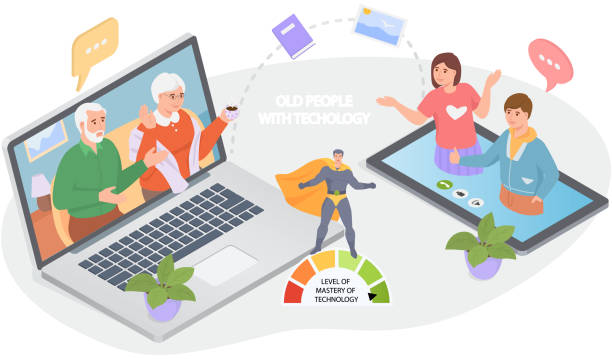
Simple voice calls remain important, but seeing a face enlarges the connection immeasurably. Today’s conferencing platforms allow families to maintain a richer sense of presence, and video calling through smartphones, tablets, and smart displays has transformed how remote caregivers check in – even from across town. Seeing facial expressions, posture, and surroundings often reveals changes that might otherwise go unnoticed, such as weight loss, confusion, fatigue, or declining mobility.
Smart displays placed in a kitchen or living room allow one-touch or automatic video calls, removing the technical burden for impaired adults who may struggle with apps or passwords. Regularly scheduled video check-ins can become part of a routine – and routines create predictability and emotional continuity, reassuring benefits for both parties.
Photo sharing in real time is a great assist to the bond between people, especially for those with some cognitive decline. And a steady stream of family images, short notes, or reminders can keep the other person anchored and feeling in touch. This kind of closeness also can give caregivers a peek into their loved one’s daily life without intrusive monitoring.
Wearables and Monitoring
Wearable alert devices are often the first technology families consider, and for good reason. Modern medical alert systems go far beyond a single panic button. Many now include automatic fall detection, GPS location tracking, and two-way communication with monitoring centers available around the clock. And for a senior aging in place alone at home, and perhaps even shy about wearing a necklace-style pendant, today’s medical alert smartwatch offers a lot of dignity along with the smart features.
For long-distance caregivers, these devices offer peace of mind, especially when a loved one lives alone. A fall, sudden illness, or wandering event can trigger immediate response even if the caregiver is asleep or in another time zone. Most systems allow a customized contact list, designating family members to be notified first, or else going to emergency services automatically.
In addition to wearables, passive monitoring technologies are burgeoning. Motion sensors, door and floormat sensors, and smart home integrations using passive monitoring through sound, video or radar, can quietly track daily patterns such as waking, movement between rooms, or refrigerator use. When routines change significantly, notifications can be sent to caregivers, prompting a check-in before a small issue becomes a serious problem.
Telehealth
Remote medical oversight is a reality now, and telehealth is one of the most transformative tools for long-distance caregiving, allowing the family to integrate with the medical profession for a security not possible before. Virtual doctor visits reduce the need for travel and allow caregivers to attend appointments remotely, even when they cannot be physically present. This participation helps ensure that concerns are communicated clearly and that care plans are understood and followed.
Remote patient monitoring adds another layer of oversight. Devices that track blood pressure, blood glucose, oxygen saturation, heart rhythm, and weight can automatically transmit data to healthcare providers and family caregivers. Health trends such as gradually rising blood pressure or missed medication doses, can be addressed soon – and early rather than late is the life-saver in medical practice.
Medication management technology such as smart pill dispensers can release the correct dose at the correct time, provide audible reminders, and alert caregivers if doses are missed. For families coordinating care from afar, these simple tools keep the remote care program on track and viable.
The Local Network
Human help on the ground can organize through shared calendars, caregiving apps and coordination platforms. This allows families to create a local response network that may include neighbors, friends, professional caregivers, and other family members.
Tasks such as grocery runs, transportation to appointments, or home maintenance can be assigned, tracked, and adjusted as needs change. Updates and notes create transparency, and square this circle with shared information. Some platforms integrate with professional care agencies, allowing families to schedule in-home services and communicate with care providers remotely.
Smart Homes
Smart home tech increasingly acts as a background caregiver. Voice assistants can set reminders, answer simple questions, control lighting, and place calls without requiring complex interactions. For older adults with limited mobility or vision, these systems can enhance independence while keeping caregivers informed.
Smart thermostats, lighting systems, and locks can be monitored or adjusted remotely, helping caregivers respond to comfort or safety issues without waiting for a crisis. Even small interventions such as ensuring adequate lighting at night or adjusting temperature during extreme weather, can reduce risk and improve quality of life.
Cameras, too, are superb and affordable nowadays. Used thoughtfully and ethically, they can support safety in parts of the home. For long-distance caregivers, evolving technology reduces the constant tension between worry and distance. It allows families to act sooner, communicate more clearly, and remain emotionally present even when miles apart.
