


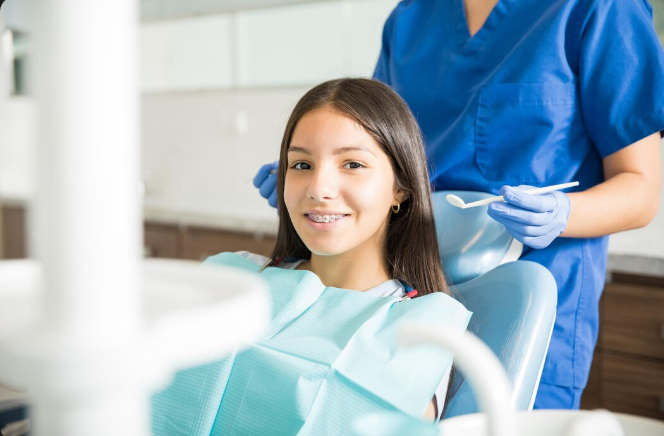
A growing smile needs steady support. Teeth move. Jaws shift. Habits form. You want your child to feel safe and confident through every change. Orthodontic treatment helps guide that growth so your child can eat, speak, and smile with less struggle. This guide explains four common treatments that shape growing mouths. You will see what each treatment does, when it often starts, and what your child might feel during care. You will also read simple signs that it may be time to ask for help. If you are searching for orthodontic care for kids in Mt. Kisco, this overview gives you clear words to use and questions to ask. You can use this information to plan your child’s next step with calm and purpose.
Why Early Orthodontic Treatment Matters
Children grow fast. Teeth and jaws change shape in a short time. Early treatment can guide that growth instead of fighting it later. The American Association of Orthodontists suggests that children see an orthodontist by age 7. At this age, permanent teeth start to come in, and problems show more clearly.
Here are three reasons early treatment can help:
- It can free space for new teeth , so they come in straighter.
- It can improve the way the jaws fit together for easier chewing.
- It can reduce the need for tooth removal later.
Early care does not always mean braces right away. Sometimes the orthodontist just watches growth. Other times, a short phase of treatment can prevent more intense work later.
1. Traditional Metal Braces
Metal braces are the most common treatment for children. Brackets attach to each tooth. A thin wire runs through them. Small bands hold the wire in place. The wire places gentle pressure on the teeth. Over time, the teeth move into better positions.
Braces can treat many problems. These include:
- Crowded or crooked teeth
- Gaps between teeth
- Overbite, underbite, or crossbite
Children with braces usually visit the orthodontist every 4 to 8 weeks. The wire may feel tight for a day or two after each visit. Soft foods help during that time. Good brushing and flossing are crucial. The National Institutes of Health explains how straight teeth can support better oral health at ncbi.nlm.nih.gov.
2. Clear Aligners
Clear aligners are thin plastic trays that fit over the teeth. They are almost invisible. Children change to a new set every one to two weeks. Each new set shifts teeth a small amount. Over time, teeth move into better positions.
Clear aligners work best when:
- The bite problem is mild or moderate.
- The child can wear the trays 20 to 22 hours each day.
- The child can keep track of the trays and keep them clean.
Aligners come out for eating and brushing. That makes cleaning simpler. Yet it also means the child must remember to put them back in. Lost trays can slow treatment. For some children, fixed braces are a safer choice because they stay on the teeth.
3. Palatal Expanders
A palatal expander fits on the upper teeth. It slowly widens the upper jaw. This tool helps when the upper jaw is too narrow. That narrow shape can cause crowding or a crossbite. A parent or caregiver usually turns a small key in the center of the device on a set schedule. Each turn widens the jaw a tiny amount.
Children often feel pressure in the nose or cheek for a few minutes after a turn. Speaking and swallowing may feel strange at first. Most children adjust in a week or two. The device stays in place for several months after the last turn. That time allows new bone to form and lock the change in place.
4. Space Maintainers
Children sometimes lose baby teeth early. Decay, injury, or other problems can cause this loss. When a baby tooth is missing for too long, nearby teeth can drift into the open space. That shift blocks the path for the permanent tooth.
A space maintainer holds the space open. It may be fixed to nearby teeth, or it may be removable. It does not move teeth. It simply guards the space until the permanent tooth is ready to come in. This simple device can prevent crowding and reduce the need for braces or tooth removal later.
Comparing Common Orthodontic Treatments for Kids
| Treatment | Main Purpose | Best Age Range | Daily Effort for Child | Key Benefit |
|---|---|---|---|---|
| Metal Braces | Straighten teeth and correct bite | 9 to 14 years | High. Careful brushing and food limits | Works for simple and complex problems |
| Clear Aligners | Straighten teeth | Older children and teens | High. Must wear trays most of the day | Blend in with teeth and come out to eat |
| Palatal Expander | Widen upper jaw | 7 to 12 years | Low. Short daily key turns by adult | Creates space and improves jaw fit |
| Space Maintainer | Hold space for new tooth | 6 to 11 years | Low. Normal brushing with extra care | Prevents crowding after early tooth loss |
How to Know When to Ask for Help
Some signs suggest it is time to ask for an orthodontic check. Watch for:
- Crowded or twisted teeth
- Early or late loss of baby teeth
- Breathing through the mouth most of the time
- Chipped front teeth from an overbite
- Chewing on one side only
- Jaw pain or clicking
Trust your concern. If something looks off, ask. A short visit can bring relief and a clear plan.
Supporting Your Child During Treatment
Your calm presence helps your child cope with change. You can support your child by:
- Keeping regular appointments.
- Setting a simple routine for brushing and flossing.
- Choosing soft foods after adjustments.
Children learn from steady care. When you treat the process as normal health care, fear loses power. Orthodontic treatment then becomes one more step in growing up, not a crisis.
