


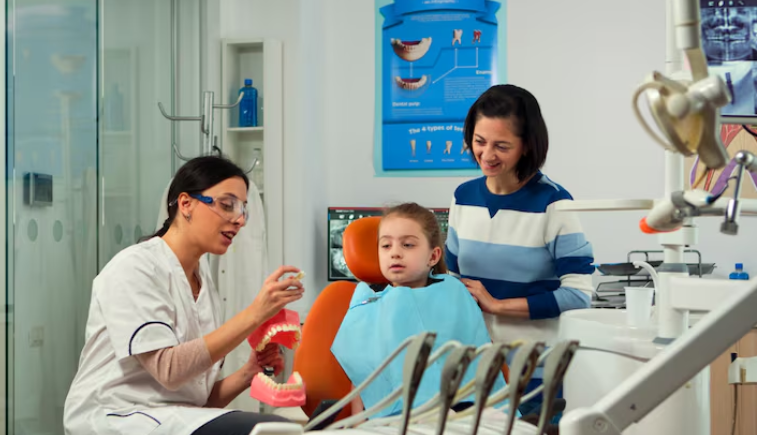
You might be feeling torn every time a dental appointment shows up on the calendar. Your child starts asking if it will hurt, your stomach tightens, and you wonder if it is worth the battle this time. You know that caring for their teeth matters, yet the fear and tears can make a simple visit to an orthodontics dentist in Joliet, IL feel like a huge emotional event.end
If that sounds familiar, you are not alone. Many caring parents are stuck between wanting to protect their child from stress and knowing that avoiding the dentist can lead to bigger problems later. The good news is that managing dental fear in children is absolutely possible when you have the right approach, some steady preparation, and a family dentist who understands kids.
In simple terms, here is what you need to know. Dental anxiety is common. It can be reduced. You can play a powerful role. With a few parent friendly strategies, you can move from dreading appointments to feeling prepared, calm, and supported.
Why does my child fear the dentist so much in the first place?
Dental anxiety in kids rarely comes out of nowhere. It often grows from a mix of unfamiliar sounds, bright lights, strange tastes, and the feeling that they are not in control. Children are sensitive to tone and body language. If they sense that you are nervous, they often mirror that feeling without even realizing it.
Imagine a child’s point of view. They are in a big chair, lying back, with bright lights in their eyes. A person they do not know very well is wearing a mask and using tools that make buzzing or scraping sounds. If they have heard an adult say things like “I hate the dentist” or “This is going to hurt,” their brain fills in the gaps with fear.
Because of this tension, you might wonder if you should delay appointments until they are “older” and can handle it. The problem is that waiting often makes things harder. Small cavities can grow. Cleanings become more uncomfortable. Anxiety builds with every skipped visit, which makes the next one feel even bigger and scarier.
The solution is not to push your child through appointments by force. It is to create a gentle path that helps them feel safe, informed, and respected. That is where a calm, child friendly dental care approach makes all the difference.
What makes dental anxiety worse, and what actually helps?
There are a few common patterns that quietly increase fear. One is surprise. When a child arrives at a dental clinic without any preparation, everything feels sudden and overwhelming. Another is using threats as motivation, such as “If you do not brush, the dentist will have to give you a big shot.” This may work once or twice, but it plants a deep seed of dread.
On the other hand, children tend to relax when they know what to expect, when they feel they can ask questions, and when their feelings are taken seriously. Even very young children can handle the idea of a dental visit if it is presented in a calm, simple way. Resources like this guide to visiting a dental clinic with your child can help you find age appropriate words and examples.
It can also help to think about timing. A hungry, tired child will struggle more in any new setting. If you have the option, schedule visits at a time of day when your child is usually rested and fed. This small practical step can change the entire tone of the appointment.
So, where does that leave you when the next visit is already booked and your child is already worried?
5 parent friendly approaches that reduce dental anxiety in kids
These five approaches work best when used together. They support the emotional side of anxiety, while your family dentist handles the clinical side of care.
1. Start early, even with baby teeth
Early, gentle visits teach your child that the dental office is a normal part of life instead of a place you go only when something hurts. Many pediatric and family dentists encourage a first visit around the time the first tooth appears or by the first birthday. The focus is on prevention, not treatment.
Early care also gives you guidance on simple habits at home. You can learn about topics like cleaning baby teeth, using fluoride, and managing thumb sucking from trusted sources such as this overview of infant and early childhood oral health.
2. Use honest, gentle language
Children usually sense when adults are hiding something. Instead of saying “It will not hurt at all” when you are not sure, try phrases like “The dentist will count your teeth and clean them. It might feel a little strange, but it should not last long. I will be with you.” Honest reassurance builds trust, and trust calms anxiety.
Avoid using scary or loaded words at home, such as “shot,” “hurt,” or “drill.” You do not need to over explain. Simple, clear language is enough. Many parents find it helpful to “play dentist” at home with a stuffed animal first, so the idea feels familiar before the real visit.
3. Pick a family dentist who truly understands kids
Not every dental office is set up for anxious children. A good family dentist will move slowly, explain what they are doing in child friendly terms, and allow time for breaks if your child needs to pause. They will not rush you. They will welcome your questions.
You can often get a sense of this by calling ahead and asking how they handle nervous children, or by reading about what to expect from early visits in resources like this guide on baby’s first dental visit and how to prepare. The right environment often reduces anxiety before the first tooth is even checked.
4. Give your child small choices
Anxiety often grows when a child feels trapped or powerless. You can gently give control back in small ways. Let them choose a favorite toy to bring, pick the flavor of toothpaste if the office offers options, or decide whether to sit in the chair alone or hold your hand.
These choices do not change the clinical care, yet they do change how your child experiences it. Feeling some control helps them feel safer and more capable. Over time, this builds confidence for future visits.
5. Practice calm body habits together
Children learn how to regulate their bodies by watching you. Before the appointment, you can practice slow belly breathing together. Count in for four, hold for four, and breathe out for four. You can tell your child, “If you feel worried, we can both do our slow breaths together.”
During the visit, keep your own shoulders relaxed and your voice steady. If you are anxious about dentistry from your own past experiences, consider getting support for yourself too. Your calm presence is one of the strongest tools you have.
How do these approaches compare to “just getting it over with”?
When you are tired and stressed, it can be tempting to simply push through appointments and hope your child “outgrows” their fear. It helps to see how a gentle, family centered approach compares to a more forceful approach.
| Approach | Short term outcome | Long term impact on anxiety | Effect on cooperation |
| Forcing or rushing visits | Appointment may be completed, but with tears and resistance | Fear usually increases. Child may fight harder before future visits. | Lower over time. Child may avoid, hide problems, or panic. |
| Postponing visits to avoid upset | Temporary relief from conflict at home | Anxiety often grows. Dental problems can become more serious. | Harder in the future. First visit feels bigger and more frightening. |
| Gentle, kid friendly dental anxiety management with a family dentist | Some nerves, but more understanding and cooperation | Fear usually decreases. Child builds positive memories and trust. | Higher over time. Visits become routine and easier for everyone. |
Seeing the differences laid out can clarify why investing a bit more time and care now saves a lot of stress later.
What can you do this week to make the next visit easier?
You do not have to change everything at once. A few focused steps can create real progress, even if the next appointment is soon.
1. Prepare your child with a simple, calm story
Within the next few days, talk about the upcoming visit in everyday language. You might say, “Next week we go see the dentist. Their job is to help keep your teeth strong and healthy. They will count your teeth, look at them with a little mirror, and clean them. I will be with you.”
Read a short children’s book or watch a gentle video about going to the dentist. Then ask your child what they are curious or worried about. Listen more than you speak. Just being heard can soften their anxiety.
2. Coordinate with your family dentist before the appointment
Call the office and share that your child is anxious. Ask if they can schedule a few extra minutes, and whether the dentist can meet your child briefly before starting any work. Many family dentists are happy to show the chair, the light, and a few tools first so things feel less unknown.
If your child has sensory sensitivities or special needs, share those details too. The more your dental team understands, the better they can adapt. This is part of choosing truly supportive family dental care, not just a quick appointment.
3. Create a simple comfort plan with your child
Before the visit, agree on a few comfort tools. For example, you might decide together that they can:
Bring a small stuffed animal to hold. Wear headphones with soft music if the office allows it. Squeeze your hand and raise their other hand if they need a short break.
Write these down or repeat them out loud on the way to the appointment. When your child knows exactly what they can do if they feel scared, they tend to feel more brave and in control.
Moving forward with more confidence and less fear
Caring for your child’s teeth should not feel like a battle. With a thoughtful approach, a supportive family dentist, and a few simple habits, you can help your child move from fear to familiarity. Progress might be gradual, and that is completely fine. Every calmer visit is a real step forward.
You are not expected to have all the answers or handle this alone. Use the guidance from trusted oral health resources, talk openly with your dental team, and keep focusing on small, steady changes. Over time, those changes can turn dental visits from something your child dreads into something they simply do as part of staying healthy.
