


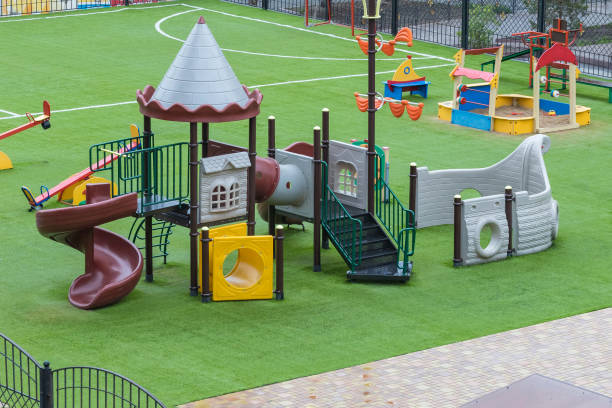
Designing safe and comfortable play areas is a priority for families, schools, and community planners alike. Surfaces play a significant role in how children experience outdoor spaces, influencing everything from injury prevention to overall enjoyment. Traditional grass can become uneven, muddy, or worn down over time, posing hazards and requiring ongoing maintenance. As a result, many property owners are exploring alternative ground coverings that provide a consistent, cushioned surface while maintaining a natural appearance. Synthetic grass has become a practical option for playgrounds and recreational areas due to its durability, low maintenance requirements, and ability to withstand frequent use across various weather conditions.
When considering installation, factors such as drainage, padding, and material quality should be carefully evaluated to ensure long-term performance. Researching options like artificial turf Southlake can offer insight into product varieties and installation standards commonly associated with safe recreational environments. Thoughtful planning helps create inviting play spaces that balance comfort, functionality, and reliability.
Safety Benefits of Synthetic Grass
Synthetic grass is engineered to provide a cushioned, consistent surface that significantly lowers the risk of falls and injuries. Many turf products come with specialized shock-absorbing pads beneath that cushion impact, making them especially suitable for areas prone to active play, such as school playgrounds or community parks. According to the Consumer Product Safety Commission, surfaces with adequate shock absorption can reduce playground injuries by up to 50 percent. This advanced safety feature is why so many child-focused spaces and sports facilities have transitioned to artificial turf in recent years.
Low Maintenance and Durability
Natural grass surfaces are beautiful but require costly, ongoing maintenance, including seeding, fertilizing, pest management, and watering. Synthetic turf, on the other hand, maintains its lush appearance regardless of season or weather. Parents and schools appreciate how these surfaces remain free of brown patches, mud, or bald spots, even with heavy, repeated foot traffic. Regular light cleaning, such as removing leaves or rinsing off dust, is usually the only upkeep required.
Durability is a major advantage as well. Well-installed synthetic grass can withstand the rigors of energetic play and even pets without losing its integrity. Modern turf is resistant to fading, flattening, and UV damage, and is specially engineered to last for years with minimal intervention. This longevity means a better return on investment and fewer disruptions for playground users or homeowners.
Allergen-Free and Hygienic Play Areas
Children with sensitivities or allergies often struggle to enjoy time on natural lawns, which can trap pollen and harbor pests. Synthetic turf creates a cleaner, more allergen-free playing surface. It does not support the growth of weeds, fungi, or bacteria, further promoting a healthy play environment.
Leading manufacturers also guarantee that their products are made from non-toxic, lead-free materials and adhere to current child and pet safety standards. Play areas utilizing high-quality synthetic grass avoid hidden hazards that could otherwise impact young users’ health.
Design Flexibility and Aesthetic Appeal
Synthetic grass offers extensive design versatility, making it a preferred choice for creative play areas. It can be installed on varying terrain, including slopes and hard surfaces, and is fully customizable with a range of textures, colors, and patterns. This allows for the integration of visually stimulating features such as hopscotch grids, balance tracks, or whimsical pathways directly into the turf layout.
These customizations do more than just beautify the area. They can be tailored to promote physical activity, cognitive development, and social interaction, giving children of all ages more reasons to stay active and engaged while outdoors.
Environmental Considerations
One common question is whether synthetic grass is environmentally friendly. While artificial turf greatly reduces the need for watering and chemical fertilizers, it is still important to choose quality products made from recyclable and sustainable materials. Many modern turf manufacturers now prioritize environmental stewardship in their processes. Consumers are also encouraged to select lead-free, low-emission products that comply with eco-friendly standards wherever possible.
Installation and Drainage
Proper installation is essential for maximizing the performance of synthetic play areas. A well-prepared sub-base ensures stability, while thoughtfully engineered drainage systems prevent puddles or slippery spots after rain. Experienced professionals will account for unique site characteristics, such as local soil conditions and land gradients, when laying the turf, providing users with predictable, reliable surfaces underfoot. In the long term, these measures protect not only the turf itself but also the area’s overall safety and usability.
Conclusion
By integrating synthetic grass into play spaces, communities can ensure lasting safety, accessibility, and visual appeal. The benefits of reduced maintenance, enhanced hygiene, and creative freedom enable children to explore, learn, and grow in secure outdoor settings. Choosing quality materials and ensuring correct installation makes it easy to cultivate spaces where young imaginations thrive, parents can relax, and play can truly flourish every day.
