


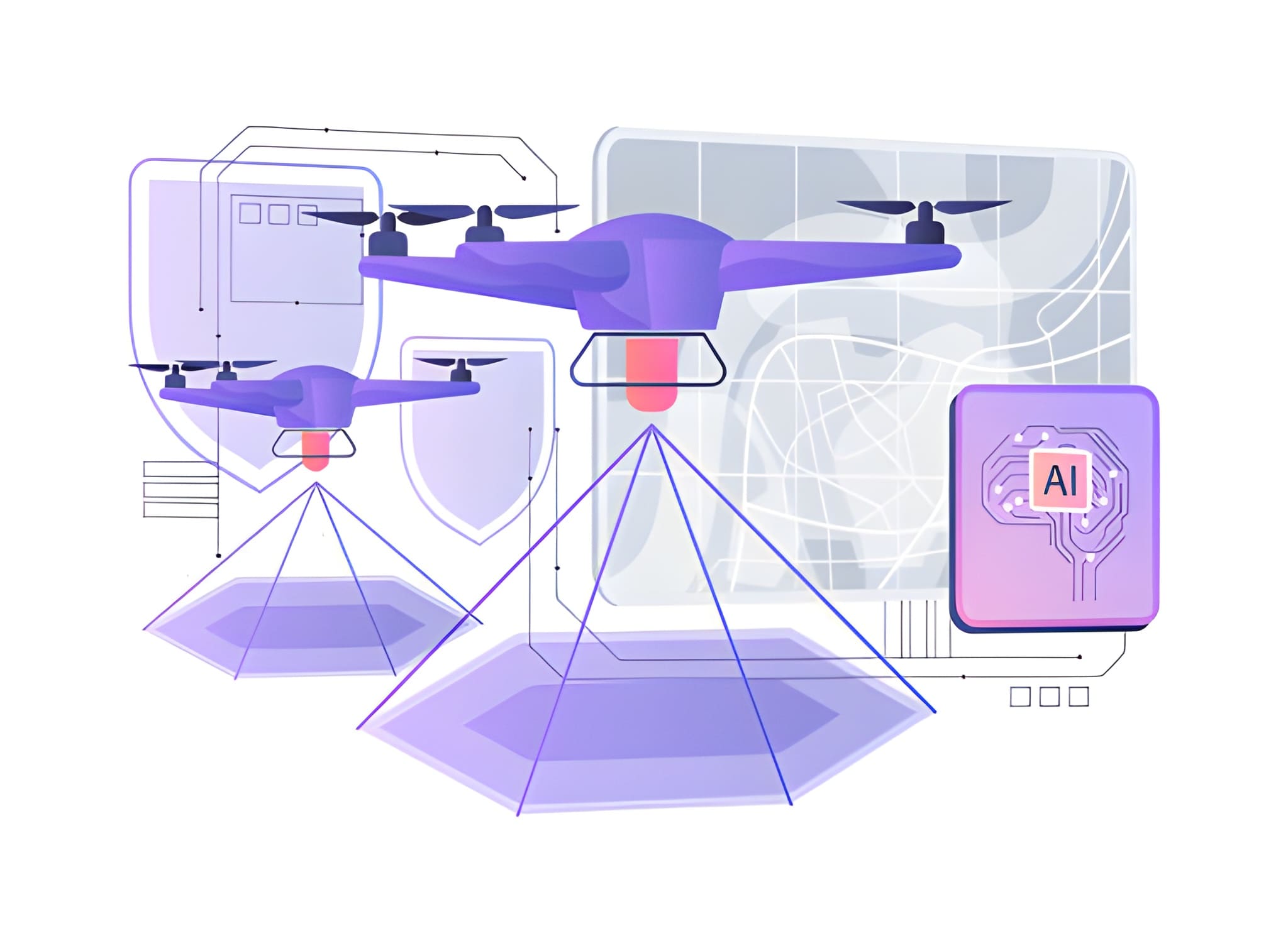
The threat from drones has escalated in recent years. As drones become more advanced and widely accessible, they are increasingly used for malicious purposes. These threats range from espionage to physical attacks.
That’s why counter drone technology has become essential in protecting critical assets and public safety. These technologies provide much-needed reassurance in a world where drones are a rising concern, offering both reactive and proactive defenses.
Early Detection Saves Lives
A key aspect of counter-drone solutions is early detection. The faster a potential threat is identified, the quicker action can be taken. Advanced sensors and radar systems are capable of detecting drones from a distance. This allows for timely responses to prevent drones from reaching their targets. Once a drone is detected, security personnel can evaluate the level of threat it poses and decide on the appropriate action. Early detection not only helps in stopping attacks but also provides valuable information about drone patterns, allowing for future improvements in defense strategies.
Interception Before Impact
Counter-drone systems are designed to intercept drones before they can cause damage. By using jamming technology, these systems disrupt the communication signals between the drone and its operator. This forces the drone to either lose control or return to its starting point. Alternatively, drones can be physically intercepted using nets or other devices. These proactive measures are crucial in stopping threats before they can strike. The ability to intercept drones mid-flight ensures that there’s no room for error, minimizing any chances of the drone reaching its target. By preventing drones from achieving their objectives, these countermeasures provide a much-needed layer of protection.
Minimizing the Risk to Critical Infrastructure
Critical infrastructure, such as power plants, airports, and government buildings, is often a prime target for drone threats. Protecting these assets is crucial, and counter drone technology provides an effective defense. By establishing no-fly zones or using electronic countermeasures, drones can be stopped before they come within range of sensitive locations. These solutions help ensure that critical systems remain secure, preventing both physical damage and data breaches. Security around vital infrastructure can be further bolstered by using integrated surveillance systems, allowing real-time tracking and response to any suspicious drone activity.
Adapting to Changing Drone Technology
Drone technology continues to evolve, which means countermeasures must adapt as well. As drones become more sophisticated, so too do the systems designed to neutralize them. Counter-drone solutions are continuously updated to address new drone capabilities, such as enhanced flight range and autonomous navigation. By staying ahead of these advancements, security systems can ensure that no threat goes undetected or unmitigated. This constant innovation is vital for maintaining safety in an increasingly drone-centric world.
Counter drone technology plays a crucial role in stopping threats before they reach their targets. Early detection, interception, and protection of critical assets are all vital components of these systems. As drone technology evolves, so do the strategies used to combat these threats. With the help of advanced counter-drone solutions, security personnel can prevent potential attacks and ensure public safety.
