


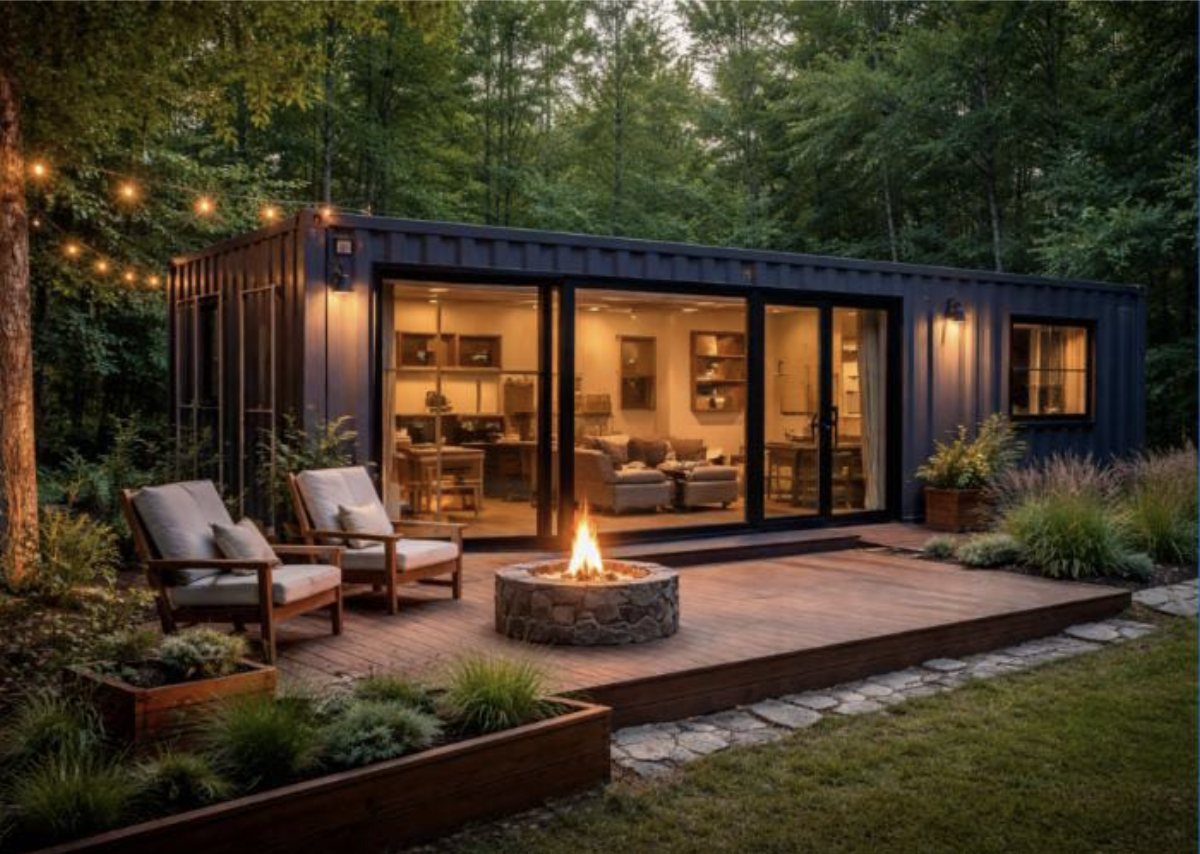
The real estate market has seen increasing interest in alternative housing and modular construction in recent years. Rising property prices, land shortages in urban areas, and the growing demand for flexible living spaces have encouraged investors to consider unconventional building options. One concept gaining attention is converting a shipping container into a small rental property. With careful planning and strategic design, these steel structures can be transformed into functional living units capable of generating steady income.
Among the different container sizes available, the 40 ft shipping container is particularly attractive for rental conversions because it offers a larger footprint compared to smaller models. For investors evaluating shipping containers for sale, the idea of turning one unit into a rental property may appear appealing due to relatively lower upfront costs and faster construction timelines compared to traditional housing. However, the process involves several important considerations, including zoning regulations, structural modifications, financial planning, and long-term property value.
This article explores the key factors involved in converting a container into a profitable rental property while examining the trade-offs, challenges, and broader implications of this emerging real estate strategy.
The Growing Appeal of Container-Based Rental Properties
Interest in container housing has increased partly due to the demand for affordable housing solutions and creative development approaches. Developers and individual investors alike are exploring ways to use these steel units for residential purposes, short-term rentals, guest houses, or accessory dwelling units (ADUs).
Several factors explain why these structures are becoming part of the real estate conversation. First, their modular design allows relatively quick installation on a prepared piece of land. Second, the steel construction offers durability and resistance to weather conditions when properly maintained. Third, they can be transported and relocated if necessary, which provides flexibility not typically associated with permanent buildings.
For rental property investors, these characteristics can translate into faster project timelines and potentially lower construction costs. However, these advantages must be balanced with the regulatory and design challenges that often accompany container-based housing.
Why the 40 Foot Model Is Often Preferred
A 40 foot shipping container offers significantly more interior space than smaller units, making it more suitable for residential conversion. With approximately 320 square feet of floor area, it can accommodate a compact studio-style layout that includes a sleeping space, kitchenette, bathroom, and small living area.
This size allows designers to create a more comfortable living environment compared with smaller structures. Tenants are generally more willing to rent a unit that provides adequate living space, natural lighting, and proper ventilation.
Another advantage is the ability to combine or stack multiple units for larger developments. Real estate investors sometimes connect two or more containers to create multi-room apartments or modular housing complexes. While this approach increases construction complexity, it also expands the potential rental income and allows developers to scale their projects over time.
Nevertheless, the larger size also introduces logistical considerations. Transporting and positioning a 40 ft container requires appropriate equipment, site access, and professional installation. These factors can influence both the project timeline and the total development cost.
Evaluating Costs and Financial Viability
The financial feasibility of converting a storage unit into a rental property depends on several key cost components. While the initial purchase price of a cargo unit may be lower than traditional building materials, the total cost of conversion can vary significantly depending on design choices and local regulations.
Major expenses typically include land preparation, foundation work, insulation, plumbing, electrical systems, windows, doors, interior finishing, and exterior modifications. Investors must also budget for permits, professional design services, and inspections required by local authorities.
From a real estate investment perspective, profitability depends on the relationship between total development cost and potential rental income. In regions where housing demand is high and rental rates are strong, a converted container unit may generate attractive returns. In areas with lower rental demand, however, the financial benefits may be less compelling.
Investors should also consider long-term maintenance costs. Although steel structures are durable, they require proper protection against corrosion and weather exposure. Regular inspections and preventive maintenance can help ensure the structure remains safe and comfortable for tenants.
Land and Location Considerations
The success of any rental property is closely tied to its location. Container-based housing is no exception. Investors must evaluate whether the intended property location supports rental demand and complies with local zoning laws.
Some municipalities have embraced innovative housing solutions, while others impose restrictions on non-traditional structures. Zoning regulations may determine whether a container unit can be used as a permanent residence, an accessory dwelling unit, or a temporary structure.
In addition to zoning compliance, investors must consider infrastructure requirements such as water supply, sewage systems, electricity, and internet connectivity. Even a well-designed container residence may struggle to attract tenants if essential services are difficult to access.
Location also influences rental potential. Properties near urban centers, universities, tourist areas, or business districts often experience higher demand for small rental units. Strategic placement can therefore play a significant role in determining the overall profitability of the project.
Design and Livability Factors
Transforming a cargo unit into a comfortable living space requires thoughtful design. Unlike traditional buildings, containers are narrow steel boxes originally designed for transporting goods rather than housing people. As a result, interior modifications are essential.
Insulation is one of the most important design considerations. Steel walls conduct heat and cold easily, which means interior temperatures can fluctuate dramatically without proper insulation. High-quality insulation materials, combined with efficient ventilation systems, help maintain comfortable living conditions.
Natural lighting is another crucial factor. Cutting openings for windows and doors improves airflow and prevents the interior from feeling confined. However, modifying the structure requires careful reinforcement to maintain the structural integrity of the steel frame.
Interior layout also influences tenant satisfaction. Designers often adopt open-plan layouts to maximize the available space. Multifunctional furniture, built-in storage solutions, and efficient kitchen and bathroom designs help create a practical and appealing living environment.
Balancing these design elements involves trade-offs. Adding more windows improves comfort but increases construction costs. Premium interior finishes may attract higher-paying tenants but raise the initial investment. Each design decision should therefore be evaluated in terms of both financial and functional outcomes.
Regulatory and Permitting Challenges
One of the most significant challenges associated with container-based rental properties is navigating local regulations. Building codes, zoning laws, and safety standards vary widely between jurisdictions, and not all areas allow container structures for residential use.
Local authorities may require structural engineering reports, fire safety systems, insulation standards, and compliance with energy efficiency regulations. In some cases, developers must demonstrate that the converted unit meets the same standards as conventional housing.
The permitting process can affect both the timeline and cost of the project. While some investors view container housing as a quick development option, regulatory approvals may extend construction timelines. Failing to obtain proper permits can also lead to legal complications or fines.
Understanding the regulatory environment early in the planning stage is therefore essential. Consulting architects, engineers, or local planning authorities can help ensure the project aligns with local building requirements.
Market Demand and Tenant Expectations
Another important factor influencing profitability is tenant demand. While container housing has gained popularity, not all renters are comfortable living in unconventional structures.
Some tenants are drawn to the modern aesthetic and sustainability appeal of container homes. Others may prioritize traditional housing features such as larger living areas, higher ceilings, or separate rooms.
Marketing strategies play a role in shaping tenant perceptions. Highlighting design quality, energy efficiency, and affordability can help position container rentals as attractive housing options. Short-term rental platforms may also provide opportunities to target travelers seeking unique accommodations.
However, investors must recognize that niche appeal can limit the potential tenant pool in certain markets. Understanding local housing preferences and rental trends is essential before committing to a container-based development.
Environmental and Sustainability Considerations
One reason container housing receives attention in the real estate sector is its potential environmental benefits. Repurposing cargo units can reduce the demand for traditional building materials and extend the lifespan of structures that might otherwise remain unused.
However, sustainability outcomes depend on how the conversion process is handled. Extensive structural modifications, transportation, and energy-intensive insulation materials can reduce some of the environmental advantages.
Developers must also consider energy efficiency and long-term resource use. Incorporating solar panels, energy-efficient appliances, and sustainable building materials can improve the environmental performance of container-based housing.
Considering environmental impact is increasingly important as governments and communities place greater emphasis on sustainable development practices.
Long-Term Investment Outlook
From an investment perspective, container rentals represent a relatively new segment within the real estate market. Their long-term performance depends on several factors, including regulatory acceptance, housing demand, and property appreciation trends.
Some investors view container housing as a flexible development strategy that can adapt to changing market conditions. Units can sometimes be relocated or repurposed if rental demand declines. Others view them as niche properties that may not appreciate in value at the same rate as conventional housing.
Balancing short-term rental income with long-term property value is therefore an important consideration. Investors should evaluate whether the project aligns with their overall investment goals and risk tolerance.
Balancing Opportunities and Challenges
Turning a cargo-based structure into a rental property offers both opportunities and challenges. On one hand, these units can provide relatively affordable entry points into real estate development, especially for investors seeking smaller projects or alternative housing solutions.
On the other hand, structural modifications, regulatory compliance, and design improvements can significantly increase project complexity. Achieving profitability requires careful planning, accurate cost estimation, and a clear understanding of local real estate dynamics.
The most successful projects typically result from thoughtful collaboration between investors, architects, engineers, and local planning authorities. By considering the trade-offs between cost, design quality, regulatory requirements, and tenant expectations, investors can make more informed decisions about whether container-based rentals fit within their real estate strategy.
Final Thoughts
Converting a container structure into a rental property represents an innovative approach to real estate development. With increasing interest in flexible housing solutions, these projects offer potential opportunities for investors seeking alternative ways to generate rental income.
However, the success of such ventures depends on multiple factors, including financial feasibility, regulatory compliance, design quality, and market demand. While container-based housing may offer advantages such as modular construction and durability, it also requires careful planning and thoughtful decision-making.
Ultimately, investors must weigh the potential benefits against the challenges associated with container conversions. By considering economic, environmental, and regulatory impacts, developers and property owners can determine whether this unconventional housing model aligns with their broader investment goals and contributes positively to the evolving real estate landscape.
