


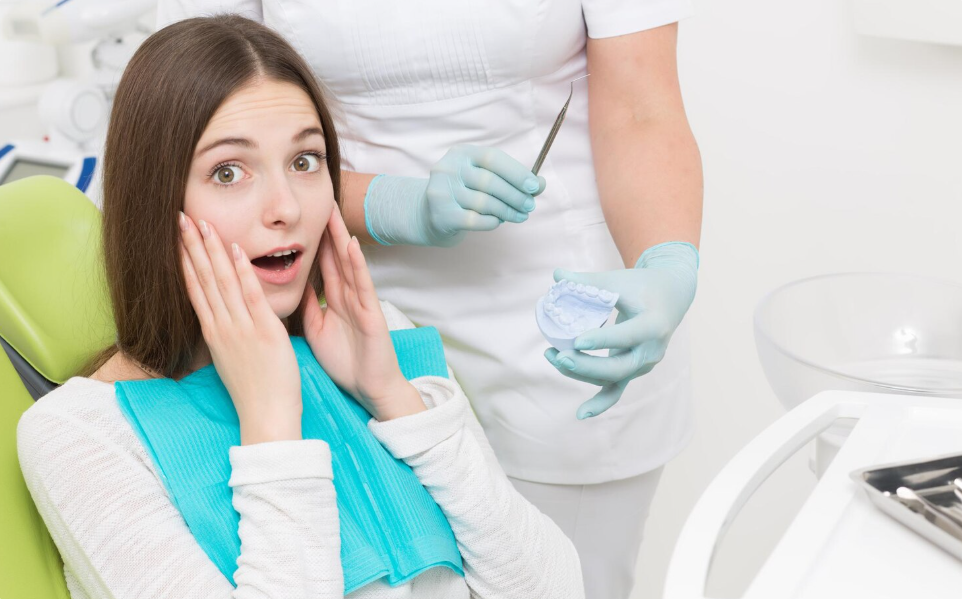
You might be feeling stuck in a cycle that is hard to ignore. Maybe cold water makes you wince, sweets seem to linger in a painful way, or you have started noticing that your teeth look a little more yellow or worn than they used to. When enamel is thin, even simple daily habits can feel loaded, and that can leave you wondering whether you are doing enough or making things worse without realizing it. If you are looking for guidance, a dentist in Westwood, NJ can help you understand what is happening and what steps may protect your teeth.
If that sounds familiar, you are not overreacting. Enamel does not grow back once it is lost, so the goal is to protect what you still have and lower your risk of decay, sensitivity, and cracks. The good news is that a few smart questions can help you make better choices at home and know when it is time to see a general dentist. That is really the heart of 5 Questions To Ask About Caring For Teeth With Thin Enamel. It is not about panic. It is about clarity.
Am I dealing with thin enamel, or could something else be causing the sensitivity?
This is often the first and most important question. Thin enamel can cause sensitivity, but so can cavities, gum recession, grinding, or a cracked tooth. Because of that overlap, it is easy to assume the problem is minor when it may need treatment. Or, just as often, it is easy to fear the worst when the issue may be manageable with better daily care.
What should you watch for? Teeth with worn enamel may look more yellow because the layer under the enamel, called dentin, shows through more easily. You may also notice sharp sensitivity to hot, cold, or sweet foods. Some people see small chips around the edges of the teeth. Others feel rough spots with their tongue.
If you are unsure, it helps to review the basics of good oral hygiene and compare your routine with what your teeth may need now. A general dentist can also look for other causes that mimic enamel wear, which matters because the right treatment depends on the real source of the problem.
What habits might be wearing down my enamel without me noticing?
This question matters more than many people think. Thin enamel is not always about brushing too little. Sometimes it is about brushing too hard. A firm toothbrush, abrasive toothpaste, frequent acidic drinks, dry mouth, reflux, and even constant snacking can all add up over time.
Think about your day. Do you sip soda, sparkling water, sports drinks, or citrus drinks for hours? Do you brush right after orange juice or a workout drink? Acid softens enamel for a while, and brushing during that window can increase wear. Do you clench your jaw when stressed or grind your teeth at night? That pressure can slowly flatten and weaken tooth surfaces.
So, where does that leave you? It means caring for teeth with weak enamel is often less about one dramatic cause and more about catching a pattern. Once you know the pattern, you can change it.
How can I protect teeth with thin enamel at home without making things worse?
Home care still matters, even if enamel does not regenerate. In fact, your routine becomes more important because it helps shield vulnerable teeth from added damage. Gentle brushing twice a day with a soft bristle brush and fluoride toothpaste is usually a good place to start. Fluoride supports stronger tooth surfaces and helps lower the risk of decay.
You can also rinse with water after acidic foods or drinks, wait a bit before brushing, and limit frequent sugar exposure. If dry mouth is part of the issue, talk with your dentist about ways to keep your mouth moist, since saliva helps protect teeth naturally. The National Institute of Dental and Craniofacial Research offers helpful information on tooth decay, including how acids and bacteria affect enamel over time.
For many adults, especially as the years pass, mouth care needs shift in quiet ways. If that is where you are, the National Institute on Aging has a useful guide on taking care of your teeth and mouth that can help you think through daily habits and warning signs.
When does home care help, and when should a general dentist step in?
It is tempting to hope sensitivity toothpaste alone will solve everything, and sometimes it helps a lot. But if you have ongoing pain, visible chipping, new rough edges, or sensitivity that keeps getting worse, it is time for professional guidance. Thin enamel can leave teeth more open to decay and breakage, and waiting too long can turn a small problem into a larger one.
That is why many people searching for enamel care tips also need to know the limits of home care. A general dentist may suggest fluoride treatments, bonding to cover worn areas, a night guard if grinding is part of the problem, or other options based on how much enamel loss is present.
| Concern | Home Care May Help If | A General Dentist Should Evaluate If |
| Mild sensitivity | It happens once in a while and improves with fluoride toothpaste and gentler brushing | It is frequent, sharp, or spreading to more teeth |
| Tooth appearance | You notice slight yellowing but no pain or damage | You see chips, thinning edges, or rapid changes in shape |
| Acid exposure | You can cut back on acidic drinks and rinse with water after them | You also have reflux, dry mouth, or daily acid exposure that is hard to control |
| Grinding or clenching | You suspect stress is part of it and are trying to reduce tension | You wake with jaw pain, headaches, or flattened teeth |
What are the best next steps if I want to start caring for thin enamel today?
1. Soften your routine.
Switch to a soft bristle brush, use gentle pressure, and choose a fluoride toothpaste made for sensitivity if needed. If you usually brush right after coffee, fruit, soda, or juice, rinse with water first and wait before brushing.
2. Look for patterns, not just symptoms.
Pay attention to what triggers discomfort. Is it cold drinks, sweets, nighttime grinding, or a dry mouth feeling in the morning? When you spot the pattern, it becomes easier to protect your teeth with thin enamel in a way that actually fits your life.
3. Get a professional opinion before the problem grows.
If sensitivity is persistent, if you see visible wear, or if something just feels off, schedule a visit with a general dentist. Early support can help preserve tooth structure and may keep you from needing more involved treatment later.
When enamel is thin, it is easy to feel like your teeth have become fragile overnight, even though the change usually happens slowly. Still, slow damage deserves attention. Asking the right questions gives you a calmer, clearer path forward, and that is often the first real relief. If you are worried about sensitivity, wear, or decay risk, reach out to a general dentist and get answers that match your teeth, your habits, and your next step.
Read More: The Connection Between Periodontal Disease And Heart Health
