


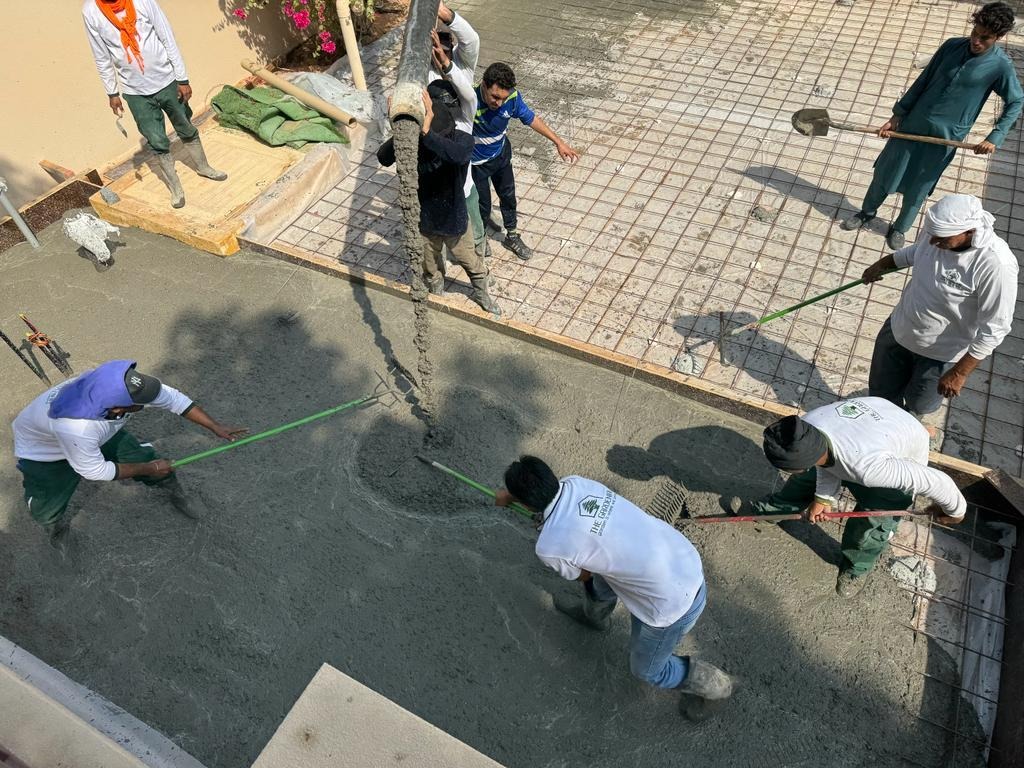
Water features have long been associated with elegance, balance, and a sense of calm within outdoor environments. When thoughtfully integrated into residential landscapes, they elevate ordinary spaces into visually refined and emotionally enriching areas. In regions where climate and design precision matter greatly, such as landscaping in Abu Dhabi, water elements play a vital role in softening hardscape, improving microclimates, and enhancing outdoor living experiences. More than decorative additions, water features introduce movement, sound, and reflection, creating spaces that feel dynamic yet grounded in nature.
1. Enhancing Visual Depth and Landscape Character
Water features introduce a sense of depth and dimension that static landscape elements cannot achieve on their own. The movement of water naturally draws attention and creates visual contrast against plants, stone, and architectural structures.
- Creating natural focal points
Flowing water attracts the eye and anchors the surrounding design. Whether placed centrally or subtly integrated, water elements guide visual flow and prevent landscapes from appearing flat or monotonous. This focal quality strengthens the overall structure of the outdoor space. - Reflecting light and surroundings
Water surfaces reflect sunlight, plants, and nearby structures, adding layers of visual interest. These reflections shift throughout the day, giving the landscape a dynamic quality that evolves with changing light conditions. - Balancing hardscape elements
Stone pathways, patios, and walls can feel rigid without natural contrast. Water features soften these elements by introducing organic movement, helping landscapes feel balanced rather than overly structured.
2. Improving Outdoor Comfort and Microclimate
Beyond aesthetics, water features influence the comfort level of outdoor environments. Their presence can subtly alter temperature and air quality, especially in warm regions.
- Cooling the surrounding areas naturally
Evaporation from water surfaces helps reduce ambient temperatures nearby. This cooling effect makes seating areas and walkways more comfortable, encouraging extended outdoor use. - Enhancing air quality
Moving water traps dust and airborne particles, contributing to cleaner surrounding air. This effect is particularly valuable in urban or desert-adjacent residential settings. - Reducing heat reflection from surfaces
Hard surfaces absorb and reflect heat, increasing discomfort. Integrating water features interrupts this cycle, helping regulate surface temperatures and improve overall usability.
3. Supporting Relaxation and Sensory Experience
Water features contribute to emotional well-being by engaging multiple senses. The gentle sound of flowing water creates an atmosphere that promotes calm and focus.
- Sound masking for privacy
Flowing water helps reduce the impact of background noise such as traffic or neighboring activity. This natural sound barrier enhances privacy and makes outdoor spaces feel more secluded. - Encouraging mindfulness and relaxation
The rhythmic movement of water supports mental relaxation. Outdoor areas with water features often become preferred spaces for reading, reflection, or quiet gatherings. - Enhancing sensory balance
Combining visual motion, sound, and cooling sensation creates a layered sensory experience. This balance makes landscapes more immersive and emotionally engaging.
4. Strengthening Landscape Structure and Flow
Water features help organize outdoor layouts by guiding movement and defining transitions between different zones.
- Connecting separate landscape areas
Streams or linear water elements can visually connect patios, gardens, and seating areas. This continuity improves flow and prevents fragmented design. - Defining functional zones
Water features act as natural dividers between active and quiet areas. This separation enhances usability without relying on walls or barriers. - Reinforcing design symmetry or contrast
Depending on placement, water can emphasize symmetry or introduce intentional contrast. This flexibility allows designers to reinforce the overall landscape concept.
5. Increasing Property Appeal and Value
Landscapes that include professionally integrated water features are often perceived as more refined and valuable.
- Enhancing first impressions
Water features near entrances or central garden areas create an immediate visual impact. They signal quality, design, and attention to detail. - Attracting long-term interest
Buyers and visitors are drawn to outdoor spaces that feel unique and thoughtfully designed. Water features distinguish properties from standard landscapes. - Supporting premium positioning
High-quality water elements contribute to a sense of luxury. This perception positively influences property valuation and market desirability.
6. Aligning with Modern Residential Planning
Contemporary residential landscapes emphasize usability, balance, and visual harmony. Water features align seamlessly with these priorities.
- Complementing modern architecture
Minimalist fountains and linear water elements pair well with clean architectural lines. They enhance modern designs without overwhelming them. - Integrating with green elements
Water features support healthy plant environments by increasing humidity and visual contrast. This synergy strengthens the overall landscape composition. - Supporting intentional backyard layouts
In a refined backyard design, water elements help define gathering spaces, quiet zones, and visual anchors, ensuring every area serves a purpose.
7. Encouraging Sustainable Landscape Practices
When designed responsibly, water features can align with sustainability goals rather than contradict them.
- Efficient water circulation systems
Modern systems recirculate water, minimizing waste and reducing operational impact. This efficiency ensures long-term viability. - Supporting plant health
Increased humidity around water features benefits certain plant varieties. This creates micro-environments that enhance biodiversity. - Reducing reliance on artificial cooling
Natural cooling from water reduces the need for mechanical solutions, supporting environmentally conscious landscape planning.
8. Customization for Residential Needs
Water features can be adapted to suit various property sizes, styles, and functional requirements.
- Scalable design options
From compact fountains to expansive water walls, features can be tailored to fit available space without overwhelming the layout. - Material and style flexibility
Stone, metal, ceramic, and glass finishes allow customization to match architectural themes and personal preferences. - Adaptable placement strategies
Features can be integrated into existing landscapes or included in new projects, ensuring flexibility across design stages.
Conclusion
Water features have the power to transform outdoor environments into spaces of balance, movement, and natural elegance. When integrated thoughtfully, they enhance comfort, visual appeal, and emotional connection to the landscape. From improving microclimates to strengthening spatial flow, water elements play a meaningful role in refined residential environments. Their success depends on careful planning, technical execution, and alignment with the overall landscape vision.
Professionally executed landscape solutions, such as The Gardenian, deliver expertly planned outdoor environments by combining design insight with technical precision. Offering comprehensive landscaping services in Abu Dhabi, the company integrates water features seamlessly into residential landscapes, ensuring durability, visual harmony, and long-term value. With a strong focus on quality standards and site-specific solutions, The Gardenian transforms outdoor spaces into naturally engaging environments that continue to inspire and perform over time.
