


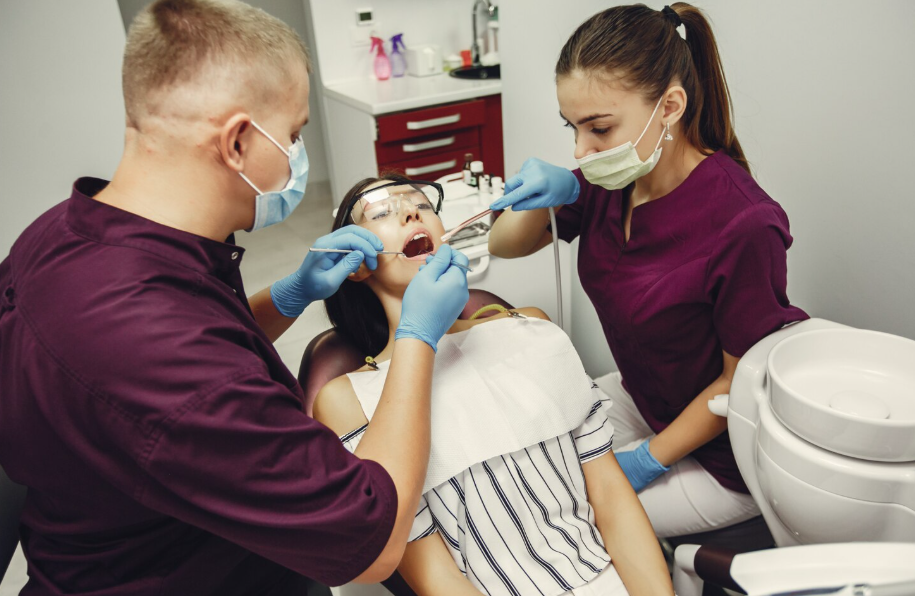
You might be feeling a mix of frustration and embarrassment every time you see your smile in the mirror. Maybe a chipped tooth shows up in photos, or old fillings darken your back teeth, or you hide your smile because it feels worn and uneven. If you’re dealing with a dental emergency in Whittier, those feelings can be even more intense. You know you want your teeth to look better, but you also worry about comfort, durability, and cost. You want a smile that looks natural and works well, not something fake or high maintenance.end
That tension is very normal. You are not just thinking about beauty. You are also thinking about eating, speaking, and avoiding more dental work down the line. Because of this, you might wonder if there are cosmetic dental services that respect both appearance and function.
There are. In fact, modern dentistry is built around treatments that strengthen teeth while improving how they look. In this guide, you will see how four common cosmetic dental services can protect and restore teeth as well as upgrade your smile. You will also see how to weigh options, what questions to ask, and how to move forward at a pace that feels safe for you.
When your smile bothers you every day, what is really going on?
For many people, it starts small. A coffee stain that will not brush away. A small crack that catches your tongue. A front tooth that looks slightly crooked on video calls. At first, you ignore it. Then you start smiling with your lips closed. Over time, you may avoid photos, dates, or even job interviews because you feel self-conscious.
The emotional weight of that builds. You might feel guilty for caring about looks, then worried about the health behind what you see. You might ask yourself, “If my tooth looks this worn, is it weak inside too?” or “Are these old fillings still safe?” or “Will whitening damage my enamel?” Those are reasonable questions. Cosmetic changes and oral health are tightly linked.
On top of that, there is money. You may have heard that cosmetic care is “just for looks” and rarely covered by insurance. So you hesitate. You wait. The problem slowly gets worse. A small chip grows. Staining deepens. A minor misalignment starts to cause uneven wear or jaw tension. What began as a cosmetic concern can become a functional one.
So, where does that leave you? It helps to look at treatments that are designed to do both. A modern general and cosmetic dentist does not just whiten teeth and place veneers. They use advanced materials and techniques that are researched for strength, safety, and appearance together. For example, academic centers like the Tufts esthetic dentistry clinic focus on both look and function, not one or the other, which can be reassuring when you are nervous about long-term results.
Which cosmetic treatments protect your teeth as they improve your smile?
Cosmetic dentistry that balances beauty and function often centers on four services. Each one has a “surface” benefit and a deeper, structural role.
1. Professional teeth whitening that respects your enamel
Stained or yellow teeth are one of the most common reasons people feel unhappy with their smile. You might have tried drugstore whitening strips or toothpaste and ended up with little change, or worse, with sensitivity that made you wince when drinking cold water.
Professional whitening uses controlled materials and customized trays to brighten teeth more safely and evenly. When done under dental supervision, whitening gels are chosen and applied in a way that respects your enamel and gums. The American Dental Association offers clear guidance on whitening options and safety, which can help you sort myths from facts. You can explore that through their overview of tooth whitening.
Functionally, whitening does not rebuild tooth structure. Its main benefit is psychological and social. Feeling better about your smile can make you more likely to care for it, keep up with cleanings, and avoid habits like smoking that stain and damage teeth. Sometimes, that confidence boost is the foundation for larger restorative work.
2. Tooth colored fillings that reinforce weakened teeth
If you grew up with silver fillings, you may dislike the dark spots they leave when you laugh or yawn. You may also worry about whether older materials are still the best option for your health. Modern tooth colored fillings, often called composite fillings, are designed to match your natural tooth shade. They bond directly to enamel and dentin, which can help support the tooth’s remaining structure.
From a functional point of view, these materials can preserve more healthy tooth than older methods and can be repaired or adjusted more easily. Research into dental materials has led to options that balance strength, wear resistance, and appearance. The National Institute of Dental and Craniofacial Research shares current work on safer, stronger restorative materials, which can give you confidence that you are not just choosing something “pretty.” You can learn more through their page on dental materials research.
If you still have metal fillings that are sound, many dentists recommend leaving them until there is a real reason to replace them. When a tooth has new decay or cracks, your dentist will help you weigh options such as composite fillings, inlays, onlays, or crowns. The FDA also explains different ways to manage tooth decay, from fillings to more advanced restorations. You might find it useful to read their summary of treatment options for dental caries.
3. Crowns that restore shape, bite, and confidence
When a tooth is badly broken, heavily filled, or root canal treated, a simple filling may not be enough. This is where crowns come in. A crown covers the entire visible part of the tooth, restoring its shape, size, and strength. Modern crowns are often made from high-strength ceramic or porcelain fused to metal, designed to blend with neighboring teeth.
Cosmetically, a well-made crown can make a damaged tooth look whole and natural again. Functionally, it protects the remaining tooth from further fracture and helps keep your bite stable. That can reduce strain on your jaw and other teeth. If you are thinking about a crown on a front tooth, it is reasonable to ask about shade matching, translucency, and how the crown will look under different lighting, as well as how long it should last with normal chewing.
4. Veneers and bonding that reshape worn or chipped teeth
Minor cracks, chips, and uneven edges can quietly bother you every time you look in the mirror. They may also trap plaque or cause small stress points when you bite. Veneers and dental bonding are two cosmetic options that can also offer functional support when used thoughtfully.
Bonding uses tooth colored resin to fill small chips or close tiny gaps. It is usually quick and conservative. Veneers are thin shells placed on the front of teeth to change shape, length, or color. Both can improve symmetry, cover deep stains, and create a more balanced bite if planned carefully. A well-designed veneer can help guide your bite in a way that reduces wear on other teeth.
The key is planning. Veneers are not just “perfect Hollywood teeth.” They are part of your chewing system. That is why a skilled cosmetic dental treatment plan starts with how your teeth meet, how much enamel you have, and whether you clench or grind at night.
How do these options compare on cost, durability, and goals?
When you feel overwhelmed, it can help to see the big picture. Here is a simple comparison of four common cosmetic dentistry services that balance function and aesthetics.
| TREATMENT | MAIN PURPOSE | FUNCTIONAL BENEFIT | TYPICAL LONGEVITY | COMMON USE CASE |
| Professional Whitening | Lighten tooth color | Boosts confidence, supports better oral care habits | 1 to 3 years with touch-ups | General discoloration from coffee, tea, age |
| Tooth Colored Filling | Repair cavities or replace small metal fillings | Reinforces tooth, preserves more natural structure | 5 to 10 years, sometimes longer | Small to medium decay or chips, visible teeth |
| Crown | Cover and protect damaged tooth | Restores strength and bite stability | 10 to 15 years, often more with care | Heavily filled, cracked, or root canal-treated teeth |
| Veneer or Bonding | Reshape, repair, or brighten front teeth | Improves bite guidance, reduces sharp edges and wear | Bonding 3 to 7 years, veneers 10 to 15 years | Chips, uneven edges, gaps, deep stains |
These numbers are general, not promises. How long a treatment lasts depends heavily on your habits, your bite, and how often you see your dentist. Still, seeing the range can help you think beyond “cosmetic equals short term” and towards “cosmetic plus functional equals long term value.”
What can you do right now to move toward a healthier, more confident smile?
It is easy to feel stuck between wanting change and fearing regret. You do not have to fix everything at once. Small, thoughtful steps can move you forward.
1. Get a full, honest evaluation focused on both look and function
Ask for a visit that is more than a quick check. You want photos, X-rays if appropriate, and a bite assessment. Tell your dentist plainly what bothers you about your smile and what you are afraid of. For example, you might say, “I want my front teeth to look better, but I am scared of them being shaved down too much.” A good general and cosmetic dentist will explain which options are reversible, which are not, and what they would do if it were their own mouth.
2. Start with the smallest, most protective changes
Before committing to veneers or multiple crowns, you might begin with whitening, smoothing sharp edges, or replacing a few old fillings in your smile line. This gives you a feel for the office, the materials, and your own comfort level. It also addresses real health needs while you think through larger changes. Often, a careful cleaning and whitening alone can shift how you feel about your smile more than you expect.
3. Build a phased plan with clear costs and priorities
Ask your dentist to map out a one to three-year plan. What needs to be done now to prevent pain or fracture? What can wait? What is purely cosmetic? Seeing your care in phases can reduce financial stress and help you decide what matters most. You might spread cosmetic work over time, pairing each step with a functional benefit, such as strengthening a cracked tooth with a crown that also looks natural.
Moving forward without pressure or shame
Your smile is personal. It carries your history, your habits, and your hopes. Wanting it to look better does not make you shallow. Wanting it to stay strong and pain-free does not mean you must accept feeling unhappy with how it looks. You are allowed to want both.
With the right guidance, 4 cosmetic dental services that blend function with aesthetics can help you protect your teeth, ease your bite, and feel more at ease in your own skin. You do not have to decide everything today. You only need to take the next small, informed step toward the smile that feels like you.
