


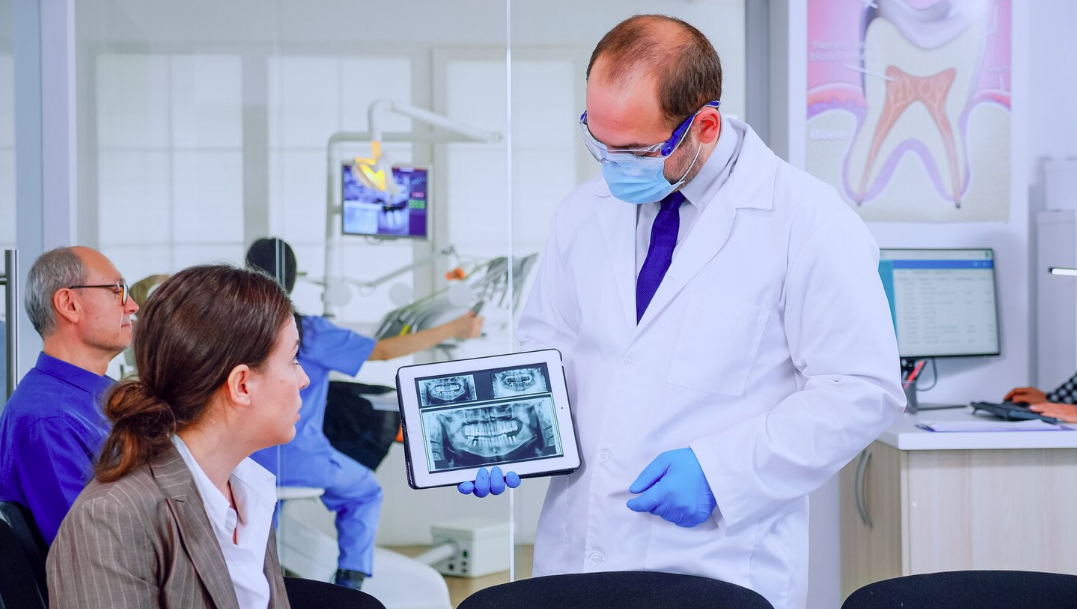
You might be feeling caught between two worries right now. On one side, you know you need serious dental work, maybe missing teeth, failing crowns, or a denture that never quite feels secure, and you’re not sure where to turn for a dentist in Tempe, AZ. On the other side, you have questions about oral surgery and implants that keep you up at night. Will it hurt. Will it be safe. Will it last. And maybe the biggest question of all. Is all this new technology actually better, or just more confusing.end
You are not alone in that tension. Modern implant dentistry is changing fast. There are new materials, new digital tools, and new surgical techniques that can make treatment safer and more predictable. At the same time, it can feel overwhelming to sort out what really matters for you, right now, in the chair. So here is the short version. The future of oral surgery and implants is moving toward less invasive procedures, stronger long term results, and much tighter safety standards. Your comfort and health are no longer an afterthought. They sit at the center of how good oral surgeons and implant dentists plan treatment.
So where does that leave you when you are trying to decide what to do next.
Why do dental implants feel so stressful to think about
For many people, it starts with a small moment. A tooth breaks on something as simple as a piece of bread, or a long standing bridge fails, or a denture slips during a meal with people you care about. In that instant, your mouth stops feeling like a background detail and becomes a constant worry. You start wondering how you look when you talk, whether people notice, and what will happen if more teeth go.
Then you hear about implants. Maybe you read about “full mouth reconstruction” or “teeth in a day.” It sounds hopeful, but it also sounds intense. Oral surgery. Bone grafts. Titanium. Sedation. It can feel like a lot of risk and a lot of cost wrapped up in a decision you do not fully understand.
Because of this tension, you might delay. You live with pain or avoid certain foods. You smile less. Your jawbone slowly changes shape after tooth loss, which can make future options more complicated. Waiting feels safer in the moment, yet it can quietly raise the stakes for later.
This is where modern advances in implant oral surgery start to matter. The new tools and standards are not just about fancy machines. They are about reducing the unknowns that make you so uneasy.
What is actually changing in oral surgery and implant dentistry
Several important shifts are happening at the same time.
First, safety and performance standards are much clearer than they used to be. The U.S. Food and Drug Administration now uses defined performance criteria to review many dental implants and abutments. That means companies must show that their products meet specific safety and reliability benchmarks, not just clever marketing claims. If you are curious, you can see how the FDA describes these performance expectations in its guidance on endosseous dental implant safety and performance criteria.
Second, there is much more attention on your overall health, not just the tooth being replaced. National research reviews, like the work summarized by the National Institute of Dental and Craniofacial Research in its Oral Health in America report, highlight how closely oral health is tied to conditions like diabetes, heart disease, and quality of life. A thoughtful oral surgeon and implant dentist now looks at your medical history, medications, and lifestyle, then uses that to shape the surgical plan and healing timeline.
Third, infection control is taken far more seriously. The Centers for Disease Control and Prevention have specific guidance on how dental teams must handle oral surgery procedures, including implants, to reduce infection risk and protect both patients and staff. If it helps ease your mind, you can read more about how surgeries are supposed to be managed in the CDC’s overview of infection control during oral surgical procedures.
So what does this look like in real life for someone considering implants.
Imagine two different experiences. In the first, you walk into a clinic where the exam is rushed, imaging is minimal, and the plan sounds like a one size fits all script. You are told “it will be fine” but your questions never quite get answered. In the second, your oral surgeon and implant dentist takes a CT scan to map your bone, reviews your medications, talks about smoking or diabetes if they apply, and explains why a certain implant design or timing makes sense for you. Same idea. Replace a missing tooth. Very different level of care, risk control, and peace of mind.
How do the benefits and risks of modern implants compare
It helps to see some of the tradeoffs clearly. The future of oral surgery in implant dentistry advancements is not about promising perfection. It is about shifting the balance toward safer, more predictable results.
| ASPECT | TRADITIONAL APPROACH TO TOOTH LOSS | MODERN IMPLANT SURGERY APPROACH |
| Common solutions | Removable partials or full dentures | Single implants, implant bridges, full arch implant solutions |
| Jawbone changes | Bone often shrinks over time under dentures | Implants help preserve bone where they are placed |
| Comfort and chewing | Can move or rub, chewing power is limited | More stable, closer to natural teeth in chewing strength |
| Infection control | Less standardized for minor procedures in the past | Stricter CDC based protocols for oral surgery settings |
| Planning technology | 2D X rays and experience based estimates | 3D imaging, guided surgery, digital planning |
| Upfront cost | Usually lower at the start | Higher at the start, often better long term value |
| Long term outlook | May need more frequent replacement or adjustments | Implants can last many years with proper care |
Seeing it laid out this way, you can probably feel the tradeoff more clearly. Removable options often cost less at the beginning but can cost you in comfort, confidence, and bone loss later. Modern implant based options require more careful planning and investment upfront but are designed for stability and long term function.
What can you actually do next to protect your health and peace of mind
You do not need to become an expert in implant dentistry to make a wise decision. You just need a few clear steps.
1. Ask for a true diagnostic workup, not a quick quote
Before you agree to any surgery, ask for a full assessment. That usually means updated X rays and, for most implant cases, a 3D scan of your jaw. Ask your provider to show you your images and explain where bone is strong, where it is thin, and how that affects the plan. If someone is ready to schedule surgery without understanding your medical history or reviewing imaging with you, that is a red flag.
2. Have an honest conversation about your health and habits
Implants live in your body, not just in your mouth. Share your full list of medications, including blood thinners and osteoporosis drugs. Be open about smoking, grinding, or clenching. Ask how these factors change your risks and what your surgeon will do to reduce them. A thoughtful provider will tailor the type of implant, timing, and aftercare to your specific situation.
3. Clarify the long term plan, not just surgery day
Ask what healing will look like over the first week, first month, and first year. Ask how often you will need checks, what signs of trouble to watch for, and what happens if an implant does not heal as expected. Also ask what kind of maintenance your new teeth will need, including cleanings and at home care. A strong plan does not end when you walk out of surgery. It continues as your mouth adapts and heals.
Finding your footing as implant dentistry keeps advancing
It is completely normal to feel uneasy when you hear words like “oral surgery” and “implants.” You are weighing your comfort, your appearance, your health, and your budget all at once. That is a lot for anyone.
The encouraging news is that implant dentistry is moving toward safer materials, clearer standards, and better planning tools, all designed to support your long term health. You do not need to chase every new gadget or headline. You just need a skilled, patient focused team that uses these advancements to create a plan that fits you, not the other way around.
You deserve to eat, speak, and smile without fear. The next step is simply to start a real conversation with a trusted oral surgeon and implant dentist who will listen to your worries, walk you through your options, and help you move from uncertainty to a plan you can live with.
