


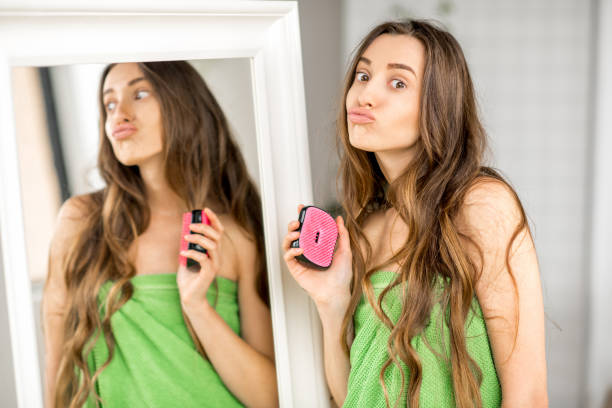
As environmental awareness grows and utility bills climb higher, many households are discovering that small changes can make a meaningful difference. While most people focus on major appliances when looking to cut energy costs, there’s an often-overlooked opportunity hiding in plain sight: our daily beauty routines. Common grooming tools like a hair dryer can account for a surprising portion of your home’s energy consumption. The good news? With some simple adjustments and smart choices, you can keep looking your best while trimming both your carbon footprint and your energy bills.
Understanding Energy Use in Beauty Appliances
The Role of Common Beauty Devices
Electric beauty tools have become indispensable for millions of people worldwide. Hair dryers, straightening irons, curling tools, and electric shavers deliver salon-quality results from the comfort of home—but this convenience comes with an energy cost that many users don’t fully appreciate.
What makes beauty appliances particularly energy-intensive isn’t just their power draw, but how they use electricity. Unlike appliances that hum along at steady, lower power levels throughout the day, beauty tools demand intense bursts of energy during their brief periods of use. They’re designed to generate substantial heat quickly, which means they typically operate at high wattages. This concentrated energy consumption pattern actually presents an excellent opportunity for efficiency improvements.
How Hair Dryers and Similar Devices Consume Energy
The science behind hair drying is straightforward: combine heated air with powerful airflow to evaporate moisture from hair strands. However, achieving this seemingly simple task requires substantial electrical power. Hair dryers typically draw between 1,000 and 2,000 watts—putting them among the most power-hungry devices in your home during active use.
For comparison, straightening irons generally consume just 25-50 watts, while curling irons fall somewhere between 25-100 watts. This dramatic difference explains why hair dryers offer the greatest potential for energy savings within your beauty routine.
The relationship between settings and energy consumption is more significant than most people realize. Cranking up both heat and speed doesn’t just increase energy draw—it does so exponentially. Meanwhile, every extra minute of use multiplies your total consumption. Once you understand this relationship, you can make smarter choices about how and when to use these tools.
Key Insight: Higher heat and speed settings dramatically increase energy use, but lower settings often deliver perfectly acceptable results for many hair types.
Practical Strategies for Reducing Energy Consumption
Smart Usage Habits
The most effective energy savings often come from changing how we use the tools we already own. Many people instinctively reach for maximum heat and speed settings, but these aggressive settings are frequently unnecessary and wasteful.
Here are some game-changing strategies that can cut your energy use without sacrificing results:
- Give your hair a thorough towel-dry before reaching for any electric tools
- Focus on essential styling rather than perfecting every strand
- Unplug devices immediately after use—they can draw phantom power even when switched off
- Match temperature settings to your hair type (fine or damaged hair rarely needs maximum heat)
- Let hair air-dry for 10-15 minutes before using heated styling tools
These straightforward changes can slash energy consumption by 30-50% while often improving hair health by reducing unnecessary heat exposure.
Choosing Energy-Efficient Appliances
When it’s time to replace your beauty tools, the features you choose can make a lasting impact on your energy consumption. Modern appliances often include eco-modes, precise temperature controls, and advanced motor technology that delivers comparable performance while using less electricity.
Look for brushless motors, ceramic heating elements, and ionic technology—these represent significant efficiency improvements over older designs. Beyond using less energy, these features typically provide superior results and extend the appliance’s lifespan, making them smart investments on multiple levels.
Professional Tip: If you have fine or thin hair, a lower-wattage device may be perfectly adequate and significantly more eco-friendly than high-powered alternatives.
Maintenance and Care for Optimal Efficiency
Regular upkeep ensures your beauty appliances operate at peak efficiency throughout their lifespan. Monthly cleaning of air vents and filters prevents lint and debris buildup that forces motors to work harder. When airflow is restricted, your dryer has to run longer and draw more power to achieve the same results.
Don’t overlook the basics: replace worn attachments and inspect cords for damage that might affect performance. Well-maintained appliances not only use energy more efficiently—they also last longer, reducing the environmental impact of frequent replacements.
Integrating Sustainable Hair Care Practices
Beyond Appliances: Eco-Friendly Routines
The most sustainable approach combines smart appliance use with complementary practices that reduce your reliance on electric tools altogether. Small adjustments to your routine can compound into significant energy savings over time.
Consider investing in quick-drying microfiber towels, which can absorb far more moisture than conventional terry cloth towels. Heat-protectant products and leave-in treatments not only safeguard your hair but can also improve styling efficiency, allowing you to achieve your desired look with less heat and time.
Timing matters too. Take advantage of warmer months for air-drying, and reserve heated tools for special occasions or when professional-looking results are essential. This seasonal approach can dramatically reduce your annual energy consumption.
Real-World Impact
To put these concepts in perspective, consider a typical household using an 1,800-watt hair dryer for 10 minutes daily. This routine alone consumes approximately 110 kilowatt-hours annually. By cutting usage time in half and switching to medium heat settings, that same household could reduce consumption by 60%—a change that benefits both the environment and the monthly utility bill.
Families who have embraced comprehensive beauty routine energy strategies report 15-25% reductions in overall household electricity consumption. These numbers demonstrate how seemingly small changes can create meaningful cumulative impact.
Key Takeaways and Next Steps
Managing energy consumption in your beauty routine represents one of the most accessible paths toward more sustainable living. Through mindful usage habits, efficient appliance choices, and proper maintenance, anyone can significantly reduce their environmental impact while potentially lowering energy costs.
Take a moment to evaluate your current beauty routine’s energy footprint and identify the easiest opportunities for improvement. Begin with simple adjustments like moderating heat settings and reducing usage time, then consider energy-efficient upgrades when your current appliances need replacement.
These changes might seem modest on their own, but they represent meaningful progress toward environmental responsibility and energy efficiency. When multiplied across millions of households, such individual actions create the collective impact our planet needs—one beauty routine at a time.
